
The Tools of the Trade: Brushes, Solvents, and Caring for Your Equipment
In my previous post, we took a deep dive into the world of paints and pigments—the very essence of color on the canvas. But even the highest-quality paint relies on the tools used to apply it. The relationship between an artist, their brushes, and their studio materials is a deeply personal one; the right brush becomes a natural extension of the hand, translating thought and motion into form.
Today, I’m sharing a look behind the scenes at the specific brushes, mediums, and care routines I rely on in my daily studio practice at Brian Millar Fine Art.
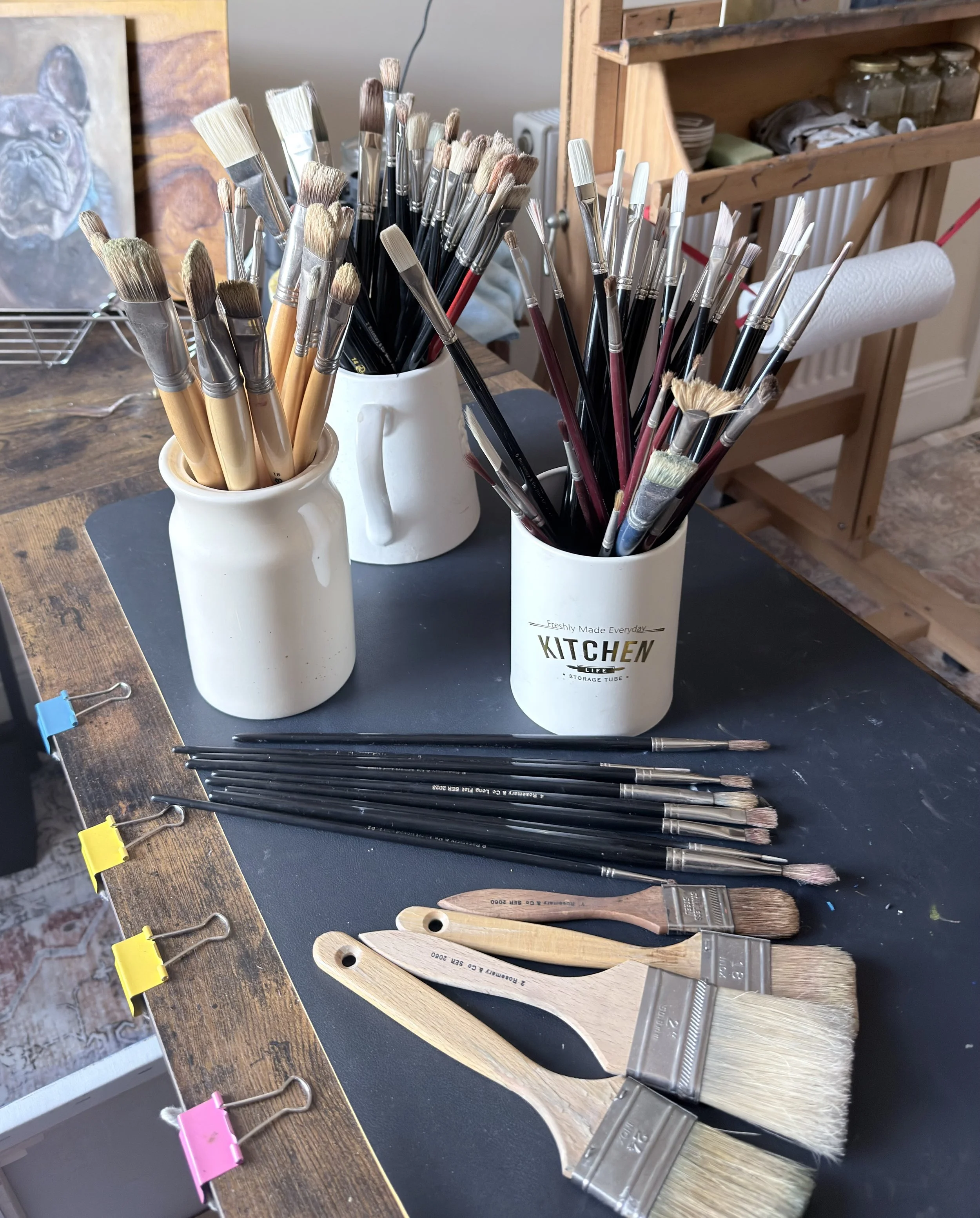
My Brush Collection
The Brushes: From Block-In to Fine Detail
Every stage of a painting requires a different touch, texture, and level of control. Over the years, I’ve refined my selection to a few key brushes that reliably handle every phase of the process.
1. Escoda: Clasico Hog Brushes – The Foundation
When beginning a new piece, I turn to Escoda’s Clasico Hog Brushes. These natural bristle brushes offer incredible resilience and a firm, responsive feel.
How I use them: They are my go-to choice for the initial stages of a painting—drawing out the composition, mapping values, and blocking in the underpainting. Their stiffness allows me to lay down broad, loose strokes and push thin washes of paint across the canvas without losing control.
2. Rosemary & Co: Chungking Natural Bristle Brush – The Heavy Lifting
Once the groundwork is laid, the Rosemary & Co Chungking Natural Bristle Brush takes center stage. Made from premium Chinese hog bristle, these brushes hold a generous amount of paint while maintaining their shape under pressure.
How I use them: This brush does the majority of the heavy lifting throughout the painting process. It handles thicker impasto applications with ease, sculpts forms, and creates rich, expressive textures during the primary build-up of the artwork.
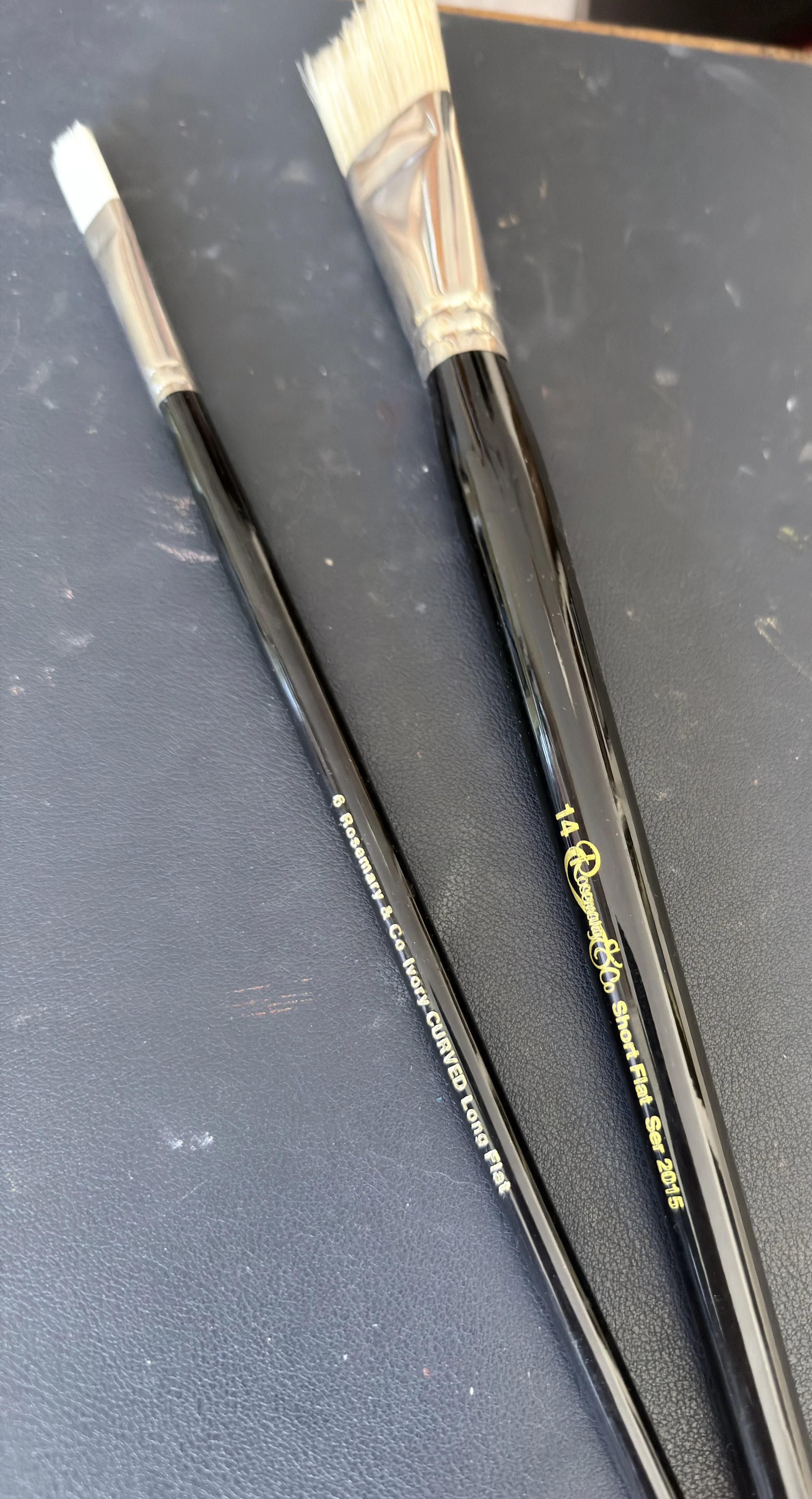
3. Rosemary & Co: Ivory Synthetic – The Refining Touch
As the painting progresses toward completion, precision becomes key. The Rosemary & Co Ivory Synthetic range offers a smoother stroke that sits somewhere between a stiff hog bristle and a soft sable.
How I use them: I reserve these for later layers, subtle blending, and fine details. Because synthetic fibers don't leave deep brush marks in thinner paint films, they are ideal for delicate highlights, sharp edges, and refined finishing touches.
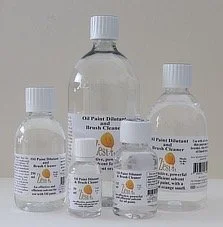
My Studio Cleaning Routine
Investing in high-quality brushes only pays off if you care for them properly. A disciplined cleaning routine ensures my tools maintain their shape, spring, and soft bristles for years. Here is how I manage my brushes at the end of a painting session:
Daily Maintenance (In-Progress Sessions):
At the end of a session, I use Zest-it® to strip away the bulk of the pigment from the brushes. If I know I will be returning to the easel the very next day and using the same brushes, this quick rinse is often all that’s needed to keep them ready overnight.Deep Clean & Condition (Post-Task Care):
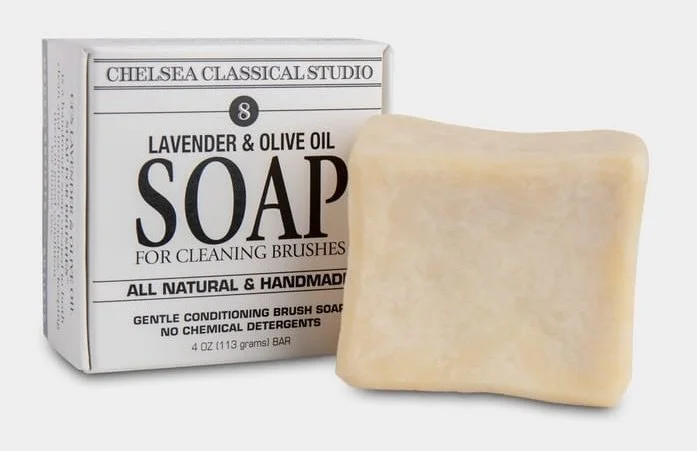
Once a brush has completed its role in a painting, or at the end of a major working stretch, it receives a full restore using Chelsea Classical Studio Lavender & Olive Oil Brush Soap. Warm water and a gentle lather remove any trapped pigment near the ferrule. The olive oil naturally conditions the hairs—especially vital for natural bristles like hog hair—preventing them from becoming brittle or lose their shape over time.
Final Thoughts
Whether laying down bold, expressive strokes with a Chungking hog bristle or placing a final highlight with a fine synthetic, having complete trust in your tools frees you to focus entirely on the act of creation.
Thank you for following along with this look into the studio. Stay tuned for future posts where we’ll explore canvas preparation, studio setups, and ongoing creative projects!
